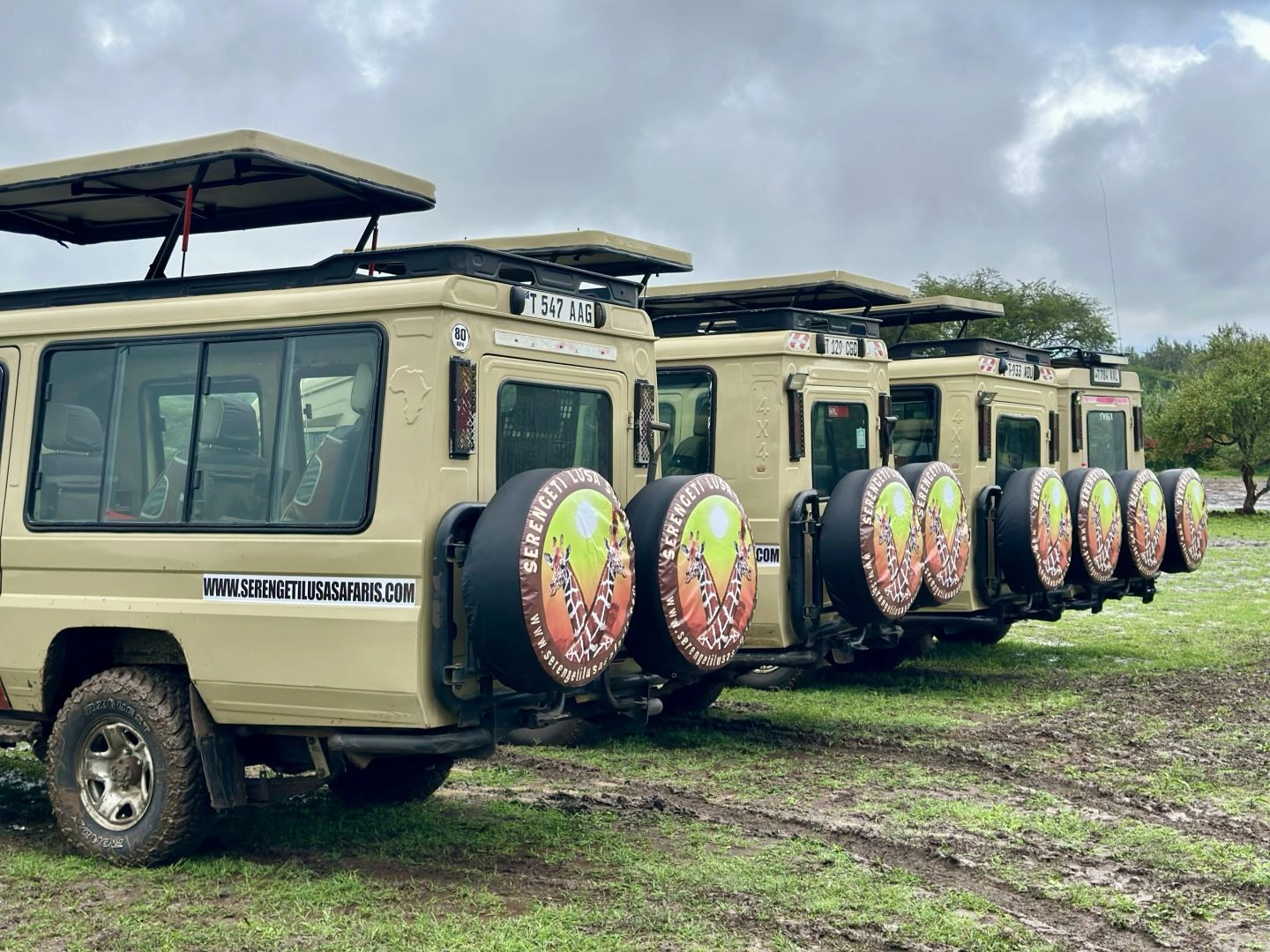
Ruaha National Park
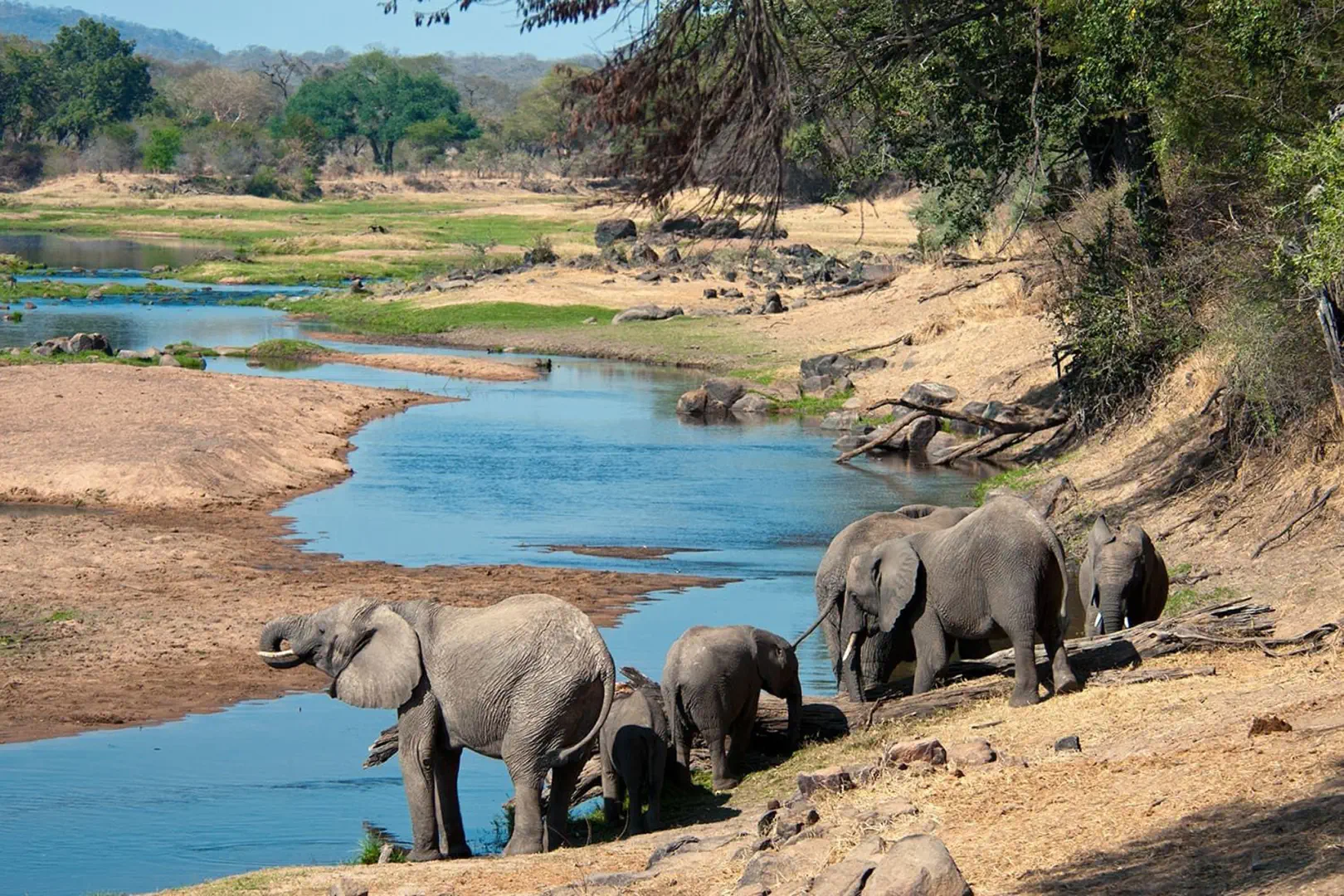
Ruaha National Park
The Vibe: Tanzania's Hidden Giant.
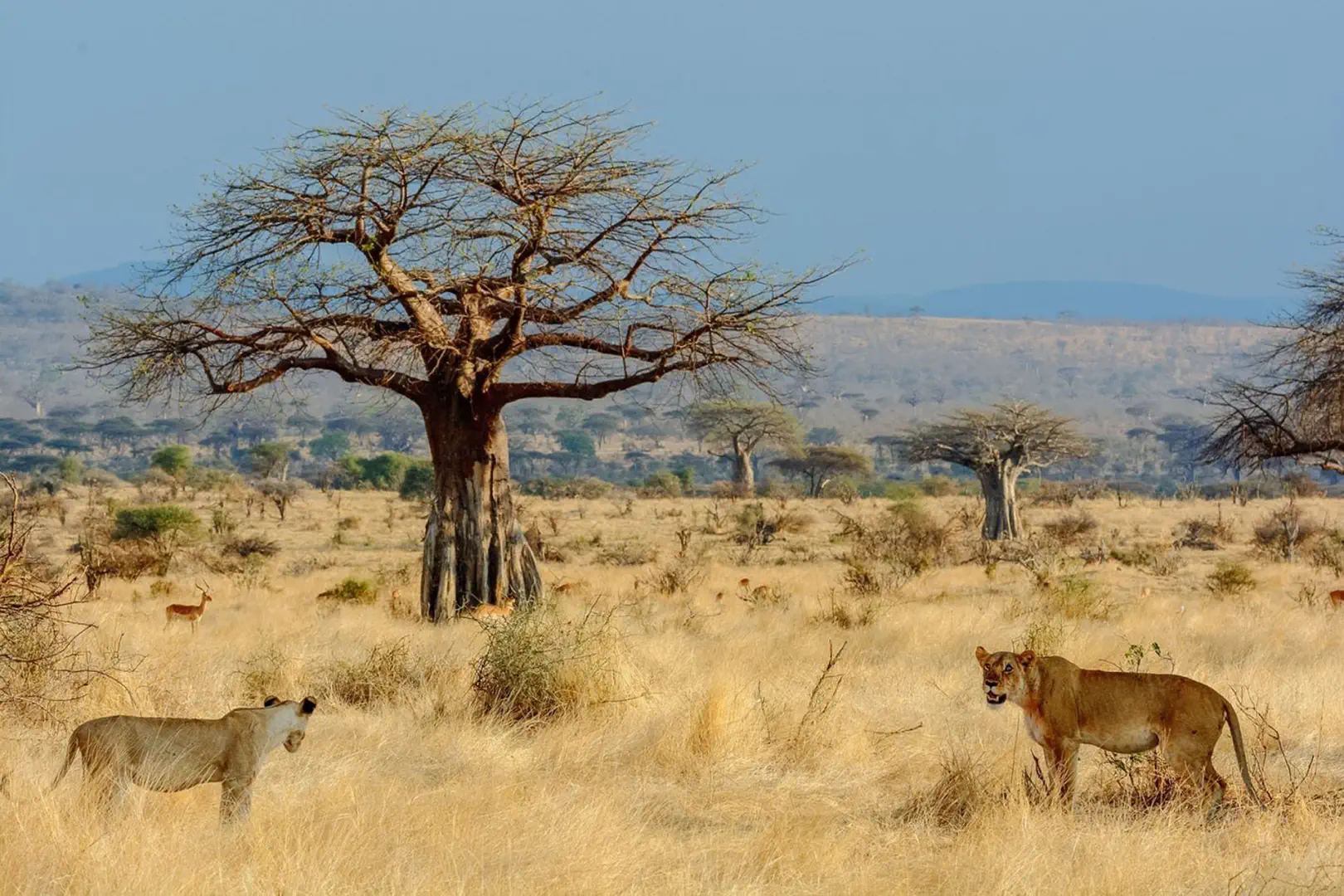
Vast, untamed, and spectacularly remote, Ruaha National Park is the largest park in Tanzania and one of Africa's greatest wilderness areas. This is classic, Old‑World safari country rugged hills, sweeping river valleys, and endless plains dotted with ancient baobab trees. The silence here is powerful; the crowds are few. Ruaha is where travelers come to feel the heartbeat of true wilderness.
What Makes It Special
- Sheer Scale: Covering over 20,000 square kilometers (7,700 sq mi), Ruaha is Tanzania's biggest national park a landscape so vast that animals roam across serene, undisturbed expanses.
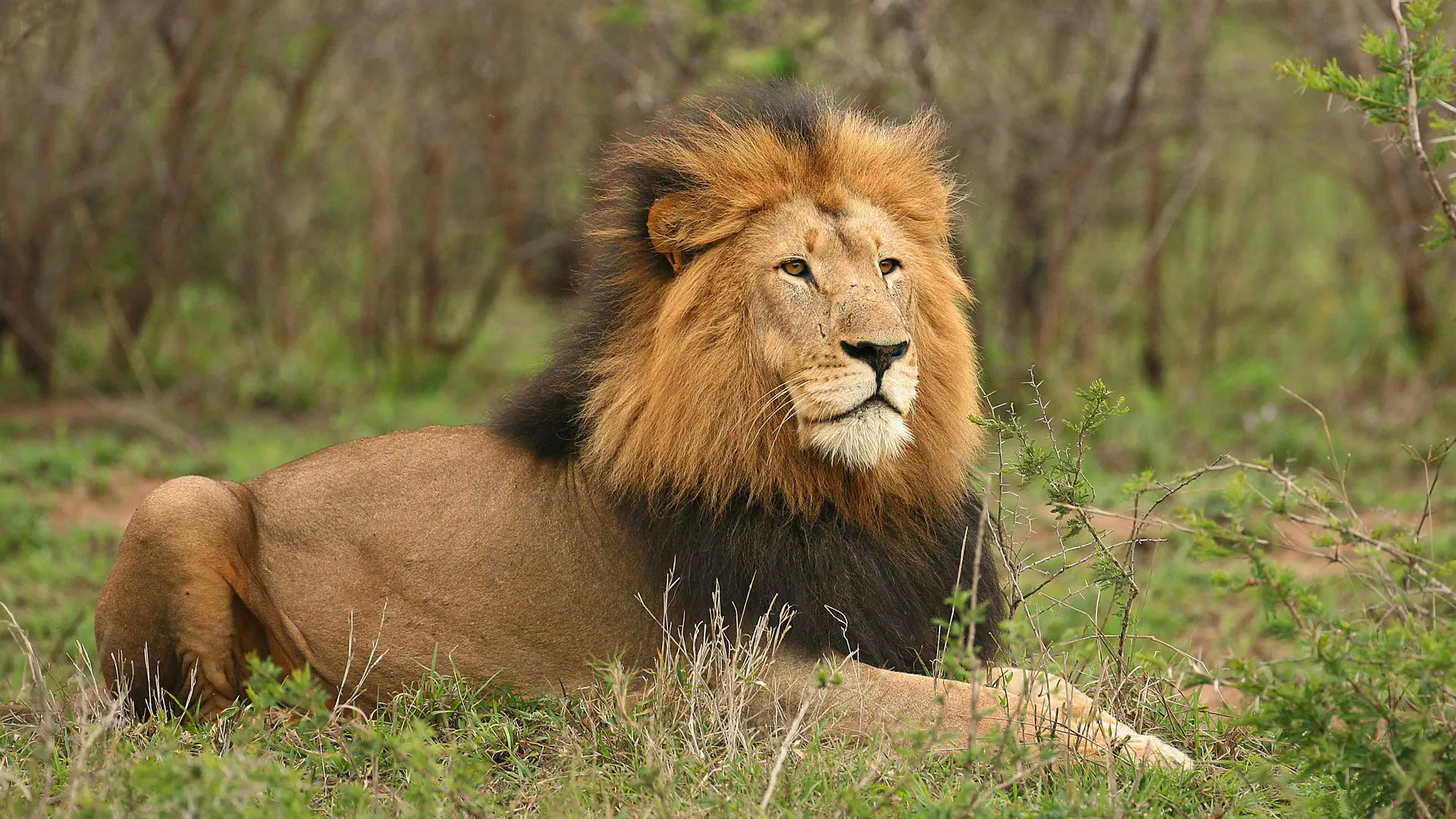
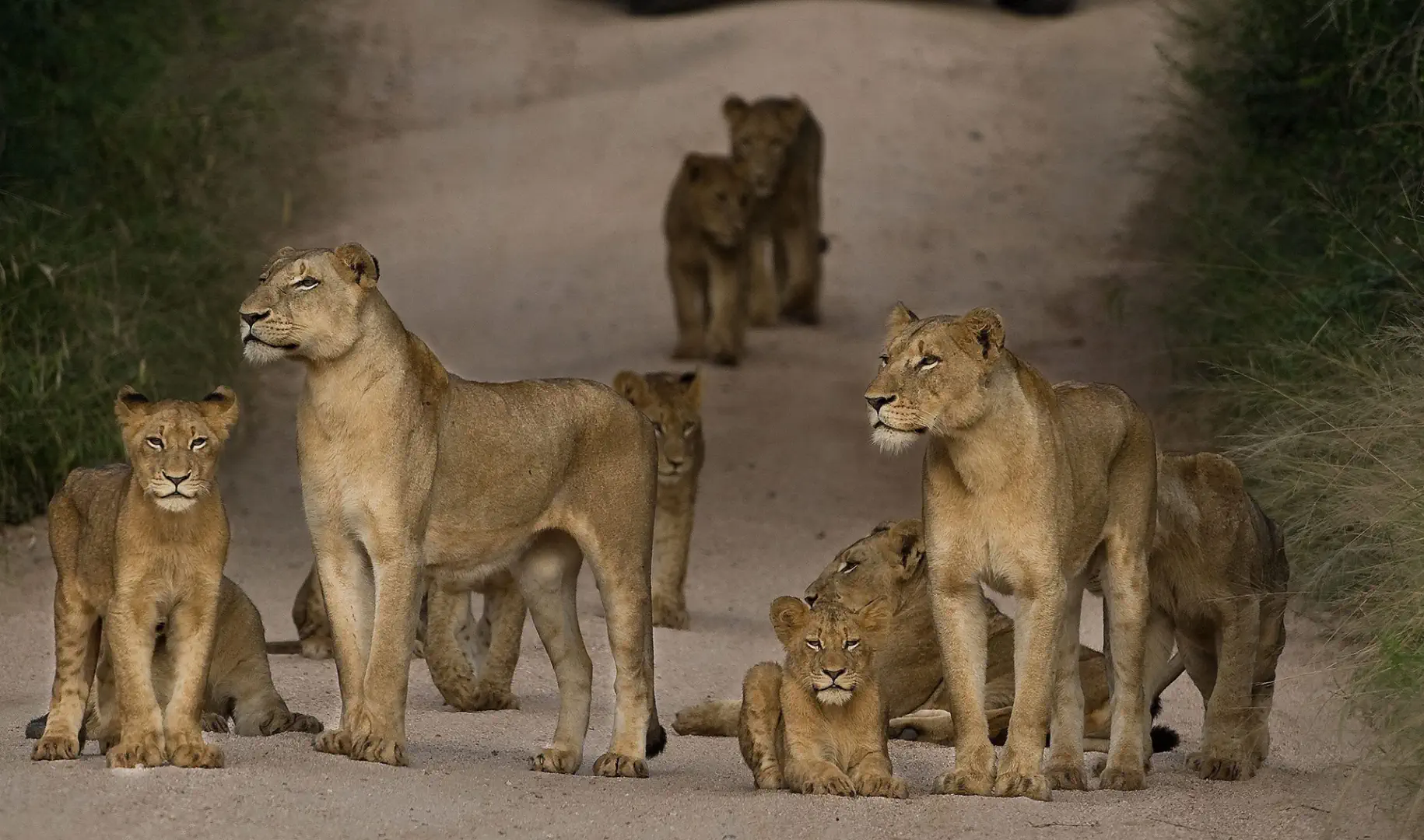
- Predator Paradise: Ruaha is home to one of East Africa's largest lion populations, along with leopards, cheetahs, and one of the continent's most important populations of African wild dogs.
- Elephant Country: Over 10,000 elephants inhabit this park, forming some of the largest herds in East Africa. Watching them dig for water in the dry riverbeds is an unforgettable sight.
- Ecological Crossroads: Ruaha lies at the meeting point of East African acacia savannahs and Southern African miombo woodlands, meaning an extraordinary variety of plants, birds, and animals coexist here.
- Remote and Unspoiled: With limited lodges and vast terrain, Ruaha offers safari experiences that feel deeply exclusive and personal.
Key Wildlife
- Big Cats: Ruaha's lions are famously large and often hunt in big prides; cheetahs and leopards are also common sightings.
- Elephants: Massive herds migrate through the park's dry river systems.
- African Wild Dogs: One of the best places in Africa to see this endangered species.
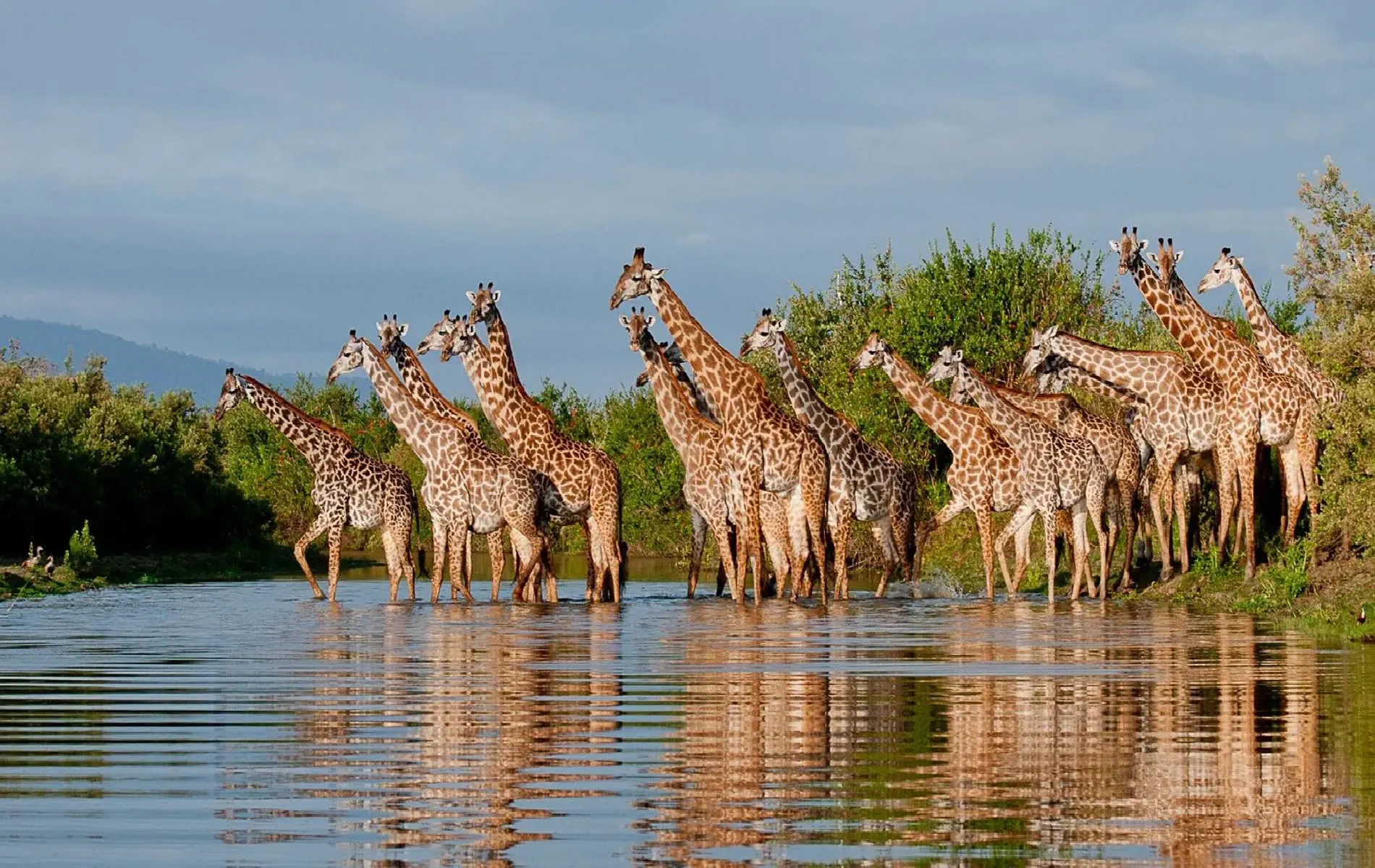
- Buffalo, Giraffe, Zebra, and Antelope: Including rarer species like roan, sable, and greater kudu.
- Birdlife: Over 570 bird species, including the famous Ruaha red-billed hornbill found nowhere else.
Key Activities
- Game Drives: Explore the park's vast network of tracks along the Great Ruaha River, where wildlife gathers, especially in the dry season.
- Walking Safaris: A thrilling way to experience Ruaha on foot with expert guides and armed rangers perfect for tracking wildlife and learning about smaller details of the bush.
- Night Drives: Offered by select camps, revealing nocturnal life such as genets, civets, and bush babies.
- Scenic Sundowners: Baobab‑lined ridges create iconic sunset landscapes that photographers adore.
- Fly‑Camping: For true adventurers, spend a night under the stars in a remote tented camp for a rare taste of complete wild freedom.

Your Next Adventure Awaits – Choose Another Park


Ready for your next great adventure?
Tell us what kind of experience you're dreaming of from wild safaris to peaceful escapes, we'll help you plan an unforgettable journey.